
Keywords: subtle Botox, natural results, physician-led care
By Dr. Jenkins Clarkson | Ageless Perfection Medical Aesthetics, Powell, WY
If you were sitting across from me in the treatment room—coat on the chair, a little wind in your hair from the walk in—you might say what I hear most from new patients, especially at the start of a new year:
“I’m interested… but I’m afraid of looking overdone. Can we keep it natural?”
Short answer: yes. Absolutely.
Long answer: “Natural” isn’t a product choice; it’s a philosophy and a method. It’s knowing what to treat, when to treat it, and—maybe most importantly—when to leave well enough alone. It also means having an honest conversation about what bothers you and what doesn’t, so we do the least amount that gives you the most benefit.
This guide is the conversation I have with first-time aesthetic patients who want to look rested and real—not different. I’ll explain what “natural” actually means in practice, how I approach subtle Botox and conservative filler, and why physician-led care makes such a difference in a small-town setting like ours.
What “Natural” Really Means (and Doesn’t Mean)
When people say “natural,” they usually mean three things:
- You still look like yourself.
Your expressions are yours. Your features remain yours. Friends should think you look good, not guess what you had done. - No drastic changes.
Improvements are subtle and believable from every angle and in every light—church foyer, ranch supply run, or family photos. - Proportions are respected.
We enhance the structure you have rather than chase trends you don’t need. Faces aren’t filters; they’re living, dynamic, expressive.
“Natural” does not mean “do nothing.” It means do the right things, at the right dose, in the right order—and stop when the face says “enough.”
The First Visit: Conversation, Not a Sales Pitch
If this is your first step into aesthetics, we’ll start with a calm, plain-language conversation. I’ll ask:
- What do you see that doesn’t match how you feel?
- What’s your timeline (events, travel, work)?
- What’s your risk tolerance and downtime comfort?
- What have you tried in the past (skincare, peels, injectables, devices)?
- What are you afraid of (frozen forehead, puffy lips, looking “done”)?
Then I map your face—how light reflects across the cheeks and temples, how lines behave at rest versus in motion, where volume has gently receded with time, and what your skin fabric is doing (dryness, texture, elasticity). We’ll take a few photos for reference. From there, I’ll outline a minimalist plan: the smallest, safest steps that will make the biggest difference, staged over time so you never feel like you’ve jumped off a cliff.
This is physician-led care. I personally perform your treatments and build your plan. No rotating staff, no one-size-fits-all “packages.”
Subtle Botox: Turning Down the Volume (Not Muting the Song)
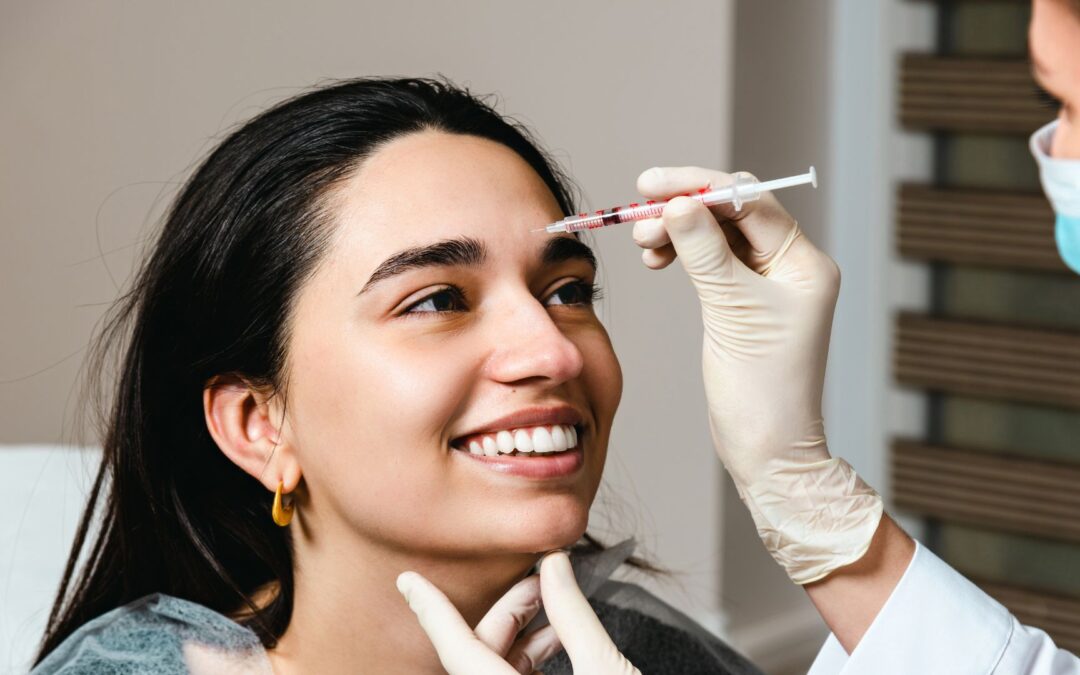
Think of neuromodulators (Botox/Dysport) as a volume knob on repetitive creases. When you frown, squint, or raise your brows all day, skin folds eventually hold those lines at rest. Subtle Botox lowers the volume so you still have expression, but you’re not carving deeper tracks each time you emote.
What makes it natural?
- Conservative dosing for first-timers. I’d rather under-treat and refine than overshoot.
- Precise placement based on your muscle pattern—not a cookie-cutter map.
- Respect for balance across the brow complex so you don’t get a heavy lid or a surprised arch.
- Follow-up at two weeks to fine-tune; you can always add a little.
Where it helps most (and reads natural on camera)
- The “11’s” between the brows that look stern even when you’re relaxed
- Horizontal forehead lines that catch overhead light
- Crow’s feet that look deeper with dry wind and winter air
Timeline and expectations
You’ll see softening within 3–7 days, with best results around 10–14 days. You should still look like yourself—just a little less stressed at rest. Results generally last 3–4 months. Many patients maintain with light touch-ups synchronized to seasons and schedules.
Filler Without the “Filled” Look: Structure First, Sprinkle Second
Hyaluronic acid (HA) fillers are gels designed to mimic a substance your skin already knows. The goal with natural filler is not “more”—it’s better support and better light.
Principles for natural filler
- Start deep on bone for support (especially in the cheeks). We’re restoring the shelf, not puffing the pillow.
- Blend superficially only where needed. Micro-aliquots soften transitions without making lines look swollen.
- Correct in layers, over time. Gentle staging prevents that “one big change” look.
- Follow your anatomy. Your malar high point, your smile pattern, your asymmetries—all inform placement.
- Stop early. When harmony returns, we’re done.
Common areas handled naturally
- Midface/cheeks: Restores lift so nasolabial folds soften indirectly.
- Chin/jawline (micro-adjustments): Tiny amounts can balance profile without masculinizing or squaring.
- Lips: Micro-dosing for hydration and edge definition, not size—often a “lip smoothie” approach that keeps texture soft without projecting volume you don’t want.
Longevity
Most HA fillers last 6–18 months depending on the product and placement. Natural maintenance means small, strategic touch-ups, not big marathons.
Skin Quality: The Quiet Secret Behind “You Look Great”
Injectables manage movement and structure, but skin quality is what most people notice—even if they can’t name it. In Wyoming, wind and dry air thin the skin’s barrier and dull the surface. That’s why I often pair or stage:
- Microneedling (collagen induction): tiny channels signal fresh collagen and elastin—imagine aerating your lawn so new growth comes in healthier. Downtime: pink for a day or two.
- OPUS Plasma (fractional plasma + RF): refined resurfacing that smooths texture and fine lines with controlled micro-thermal points. Downtime: typically 1–3 days of pink and a faint sandpapery feel.
These aren’t “overdone” treatments. They’re under-the-radar upgrades that make makeup sit better, pores look smaller, and light bounce like it did a few years ago. If you’re new and cautious, microneedling is a gentle on-ramp. When you’re ready for a bigger skin-quality payoff, OPUS is a smart next step.
The “Natural” Roadmap for New Patients
To keep things practical, here’s how I often stage the first season for someone who wants subtle, safe, believable results:
Month 1 — Movement
- Subtle Botox for the 11’s and a light polish to the forehead and crow’s feet.
- Skincare tune-up: mineral SPF, gentle retinol at night (paused around procedures), barrier support for our climate, and a peptide/antioxidant in the morning.
Month 2 — Structure
- If midface looks a bit flat or folds are prominent, conservative cheek support (often 1–2 syringes total, placed precisely).
- If lips feel parched or edges look fuzzy, micro-hydration (not a “lip look”—just a healthier texture).
Month 3 — Skin Quality
- Microneedling to nudge collagen; or
- OPUS Plasma if you’re ready for a more meaningful skin refresh.
We check in at 2–3 weeks after any injection to confirm symmetry and comfort. At each step, we can pause, reassess, or shift. It’s your face and your timeline, not mine.
How We Keep You Out of the “Overdone” Zone
- Dose conservatively on a first visit.
- Avoid chasing every line—some lines are part of your story and look odd when erased.
- Prioritize proportions over trends. We won’t inflate areas that never had volume on your face.
- Space treatments so you can evaluate each change on its own merits.
- Say no when appropriate. If something won’t look good, I’ll tell you why—and what will.
I’ve practiced medicine long enough to know that trust is built on restraint as much as on skill.
Common Fears (and My Straight Answers)
“Will Botox make me look frozen?”
Not with the way I dose and place it. We reduce line intensity; we don’t erase your personality. If we ever need to nudge a bit more at the two-week check, we can.
“Will filler make me puffy?”
When placed deeply and conservatively, cheek support restores light and lift rather than bulk. We avoid the puffy look by respecting anatomy, using the right gel for the right plane, and stopping early.
“I’m scared of looking different.”
That’s our shared goal—to keep you looking like you. We’ll stage changes so each step feels familiar, not foreign.
“What about safety? I’ve seen scary stories.”
This is exactly why physician-led care matters. The midface, lips, and undereye are advanced anatomy. I use aseptic technique, anatomy-aware placement, cannula/needle decisions based on plane and goal, and I carry hyaluronidase for HA management if ever needed. We review your medical history, medications, and risk factors before anything touches your skin.
“If I start, will I have to keep doing it forever?”
You don’t have to do anything forever. That said, many patients choose to maintain because they like how they look and feel. Maintenance is lighter and more predictable than big swings.
The Wyoming Factor: Why Our Climate Changes the Plan
Our winters are dry, windy, and sunny off the snow. That means:
- Barrier support in skincare is non-negotiable. Your moisturizer matters.
- Mineral sunscreen is year-round (snow glare is real).
- Treatment spacing in winter is friendly for skin procedures (less incidental sun).
- Hydration—inside and out—shows up on your face more than you’d think.
We plan with this in mind. A patient who handles coastal humidity differently might need a different protocol here in Powell. That’s the beauty of a local, physician-led clinic: I know what your skin goes through in February and in July.
Realistic Before/After Thinking
A natural result is not always dramatic in a single “after” photo; it’s believable in motion and in everyday light. What most patients notice:
- “I look less stern in candid photos.”
- “Makeup goes on smoother.”
- “I see myself—just a little more rested.”
- “No one asked if I did something… they just said I look well.”
That’s the win.
At-Home Habits That Support “Natural”
- Sunscreen, even in winter. Mineral formulas photograph better and protect better in our climate.
- Retinol at night (no heroics—just consistent).
- Humidifier near your bed and refill your water during the day.
- Quit the scrub wars. Over-exfoliating makes texture worse.
- Give your face a break from intense treatments right before big events; use a hydrating facial or mask instead.
When your daily routine is steady and sane, you need less intervention to look like yourself on a good day.
Specific “Natural” Combinations I Recommend
The Cautious Beginner
- Micro-dose Botox to the 11’s and light forehead polish
- Barrier-building skincare with mineral SPF
- Follow-up in two weeks for precision tweaking
The Soft Lift
- Conservative cheek support (deep, precise)
- Optional lip micro-hydration for edge definition, not size
- Microneedling in a month to improve skin fabric
The Quiet Glow
- OPUS Plasma (light to moderate) for texture and fine lines
- Subtle Botox two weeks prior or after, depending on schedule
- Hydration-focused skincare to protect your results
Each plan is designed to keep you looking like you—just rested, balanced, and comfortable in your own skin.
What If You’re Still Nervous?
You’re in good company. Many of my most satisfied patients were once the most hesitant. We can start with the lowest-risk, lowest-visibility step—often subtle Botox and skincare. See how it feels to move your brow without creasing so hard. Watch how your makeup sits more evenly with a better barrier. When you’re ready, we add the smallest next step.
You set the pace. My job is to guide, not push.
Why Physician-Led Care Matters (Especially Here)
This isn’t a chain. There’s no rotating cast of injectors. I personally perform every treatment. That means your plan reflects your anatomy, health history, and goals—not a menu special.
- Medical rigor: health review, informed consent, sterile technique
- Anatomical expertise: mapping vessels, choosing planes, selecting the right tools
- Judgment: knowing when to say “not yet,” “less,” or “let’s sequence this differently”
- Continuity: the same physician seeing your face over time, learning how you respond
You’re not just getting a service. You’re getting decades of medical experience and honest guidance, delivered in a small, familiar setting where your story matters.
A Gentle Invitation
If you’re curious but cautious, that’s a healthy place to start. Bring your questions and your worries. We’ll talk about what bothers you—and what doesn’t. We’ll design the lightest, safest plan that gives you a result you can actually live with.
No pressure. No rush. Just careful steps that respect your face, your life in Wyoming, and your wish to look like yourself.
Let’s talk about what’s right for you.
📍 Ageless Perfection Medical Aesthetics | Powell, Wyoming
📞 (307) 228-9002
🌐 agelessperfectionwy.com